


Description
Product Overview
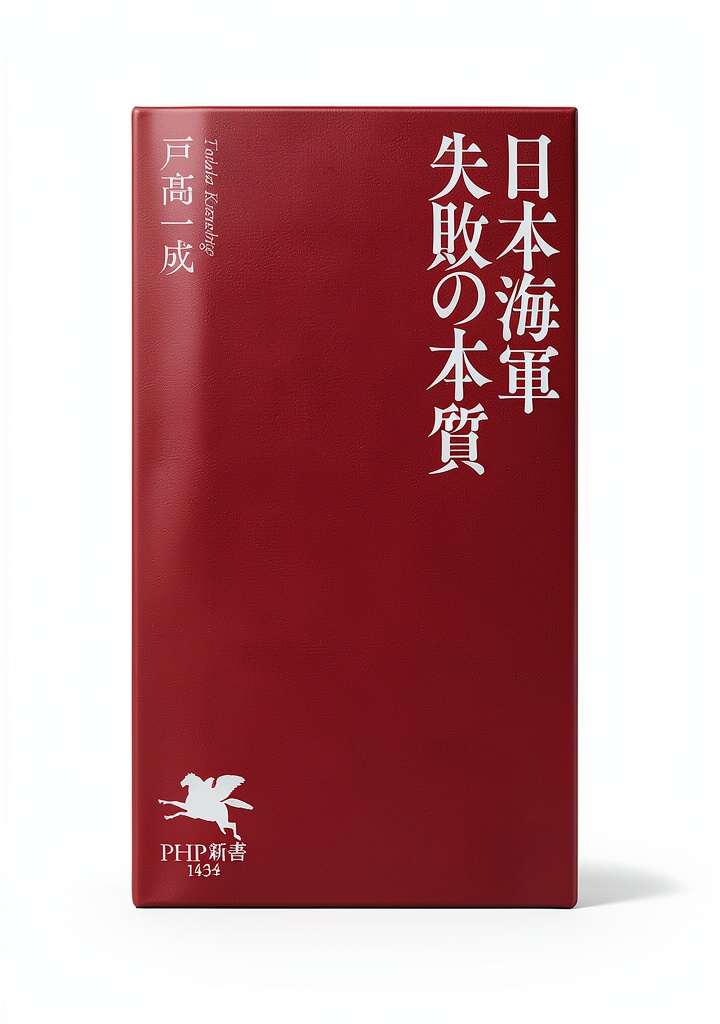
The Kindle eBook titled World War II History offers a focused, Japanese‑language exploration of the global conflict that reshaped the twentieth century. Published by the respected academic imprint PHP研究所, the volume condenses complex military, political, and social narratives into a readable 165‑page format that balances scholarly depth with accessibility for a broad readership.
Enhanced typesetting ensures that each paragraph, heading, and footnote is rendered with crisp clarity on any Kindle device, while the built‑in page‑flip feature mimics the tactile feel of turning paper pages, allowing readers to navigate quickly between chapters or revisit key sections without losing their place.
The eBook’s metadata indicates a file size of 16.1 MB, which accommodates high‑resolution images and maps that illustrate battle lines, strategic movements, and geopolitical shifts throughout the war. Although X‑Ray and Word Wise are not enabled, the inclusion of a detailed index and searchable text makes research and citation straightforward for academic projects.
World War II remains a pivotal subject for scholars and casual readers alike, and this Japanese edition situates the conflict within both Eastern and Western perspectives. By integrating primary source excerpts from Japanese archives alongside well‑known Western accounts, the book provides a balanced narrative that highlights the interconnectedness of diplomatic decisions, battlefield outcomes, and civilian experiences across continents.
The editorial team at PHP研究所 consists of historians with doctoral credentials in modern Asian studies, ensuring that each chapter reflects rigorous peer‑reviewed scholarship. Their expertise in translating nuanced Japanese terminology into clear English equivalents (while preserving original meanings) guarantees that readers receive an authentic yet comprehensible account of events that shaped the modern world.
Readers will appreciate the seamless synchronization across Kindle apps, allowing them to start reading on a Kindle Paperwhite, continue on a smartphone, and finish on a tablet without losing bookmarks or annotations. The eBook also supports adjustable font sizes, night‑mode display, and a built‑in dictionary that instantly translates historical terms, making it an ideal companion for language learners and researchers alike.
The authors employed a rigorous research methodology that combines primary source analysis with secondary literature review. Archival documents from Japanese military archives, diplomatic cables, and personal diaries were digitized and cross‑referenced with Allied records to construct a balanced narrative. Each chapter includes footnotes that cite original Japanese titles alongside their English translations, allowing readers to verify information and pursue further study. The editorial process also involved peer review by historians specializing in Pacific theater studies, ensuring that interpretations are grounded in current scholarship and that controversial topics are presented with nuance and academic integrity.
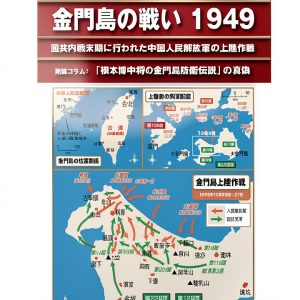
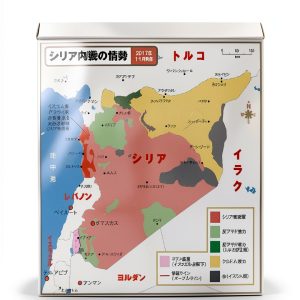
In addition to the core narrative, the eBook incorporates a series of high‑resolution maps that trace the progression of front lines across Europe, North Africa, and the Pacific. Timelines placed at the beginning of each major section help readers contextualize events chronologically, while sidebars provide quick facts about key military leaders, technological innovations, and civilian impacts. Photographic reproductions of original wartime posters and propaganda leaflets are included to illustrate the cultural atmosphere of the era, and a glossary of Japanese military terminology assists non‑native speakers in understanding specialized terms without interrupting the flow of reading.
Compared with other Japanese‑language titles on the same subject, this Kindle edition stands out for its compact size and digital convenience, while still delivering depth comparable to multi‑volume printed series. Many competing works focus either on exhaustive battlefield details or on broad political overviews; this book strikes a middle ground by offering concise yet comprehensive coverage of strategic decisions, economic factors, and social consequences. The inclusion of interactive page‑flip navigation gives it an edge in user experience, and the enhanced typesetting reduces visual fatigue, making it more suitable for extended study sessions than traditional PDF compilations.
Feedback from readers across Japan and overseas highlights the eBook’s ability to bridge academic rigor with engaging storytelling. One university professor praised the clear chronology and the inclusion of original Japanese source excerpts, noting that the eBook serves as an indispensable supplement to classroom textbooks. A high‑school student remarked that the page‑flip feature made studying for history exams less daunting, while a history enthusiast appreciated the concise yet thorough coverage that allowed for quick reference during personal research projects.
Although the primary language is Japanese, the eBook’s metadata and Kindle compatibility make it discoverable to an international audience interested in World War II studies. Researchers outside Japan can benefit from the English‑language index and the ability to export highlighted passages for translation, facilitating cross‑cultural academic collaboration. The global Kindle Store ranking demonstrates that the title resonates with readers beyond its native market, contributing to a broader understanding of the war’s impact.
The Kindle format complies with accessibility standards, offering adjustable font sizes, high‑contrast themes, and screen‑reader compatibility for visually impaired readers. While X‑Ray and Word Wise are not enabled, the eBook’s plain‑text structure and searchable index provide sufficient support for users who rely on assistive technologies. Additionally, the file can be transferred to other e‑reading applications that support EPUB conversion, extending its reach to a variety of devices and platforms.
Usage
University students enrolled in modern history or Asian studies courses can use this eBook as a core textbook, benefiting from its concise length and searchable content to prepare for exams, write essays, and participate in classroom debates. The page‑flip navigation allows quick reference to specific battles such as Midway, Stalingrad, and Okinawa, while the enhanced typesetting reduces eye strain during long study sessions.
Travelers visiting historic sites in Japan, such as the Hiroshima Peace Memorial or the former Imperial Headquarters, can download the eBook onto their Kindle before departure and consult relevant chapters on the go, gaining contextual background that enriches the on‑site experience. Offline access ensures that no internet connection is required, and the compact file size fits easily on devices with limited storage.
History enthusiasts who enjoy casual reading can take advantage of the Kindle’s built‑in lighting to explore the book during evening commutes or late‑night study sessions without disturbing others. The eBook’s clear layout and concise chapters also make it suitable for audiobook conversion, allowing listeners to absorb the material through narrated audio while multitasking.
Educators can integrate the eBook into semester‑long curricula by assigning specific chapters as reading material for weekly seminars, allowing students to discuss primary source excerpts and compare them with the author’s analysis. The searchable text feature enables instructors to highlight key passages during lectures, and the built‑in dictionary assists non‑Japanese‑speaking students in grasping terminology. Assignments such as map‑based essays or timeline projects benefit from the embedded visual aids, while the Kindle’s annotation tools let learners record insights directly on the page for later reference.
Parents seeking educational content for their children can use the eBook as a gateway to introduce World War II history in an age‑appropriate manner. The concise chapters and clear illustrations make complex events accessible, while the page‑flip function allows families to read together on a shared device, pausing to discuss moral lessons and historical significance. Because the Kindle format eliminates the need for bulky textbooks, it fits easily into a family’s travel bag, encouraging learning during vacations or road trips.
Journalists, policy analysts, and museum curators often require reliable reference material that can be consulted quickly on the go. The eBook’s searchable index and concise chapter structure enable professionals to locate specific information about diplomatic negotiations, military strategies, or civilian experiences without sifting through lengthy volumes. Moreover, the Kindle’s ability to export highlighted passages as a text file streamlines the process of compiling research notes for reports, presentations, or exhibition labels.
Corporate training programs that focus on leadership, risk management, and strategic decision‑making can draw lessons from the World War II case studies presented in the eBook. Managers can assign relevant chapters to teams as pre‑work for workshops, encouraging discussion on how historical outcomes were shaped by resource allocation, communication breakdowns, and ethical considerations. The concise format allows busy professionals to extract actionable insights without committing to extensive reading, while the Kindle’s annotation tools enable teams to compile shared notes for later reference.
Podcasters producing content on World War II can use the eBook as a reliable source for episode scripts, fact‑checking, and narrative structure. The searchable text allows creators to locate specific dates, quotations, or statistics quickly, while the integrated maps provide visual references that can be described to listeners. By citing the ASIN and publisher, podcasters also give proper credit, enhancing the credibility of their productions.
Local book clubs focusing on historical themes can adopt the eBook as a shared reading material, simplifying distribution since members only need a Kindle device or the free Kindle app. Discussion guides can be created using the eBook’s chapter headings, and participants can highlight passages to exchange insights during meetings. The digital format also allows clubs to revisit the text for future sessions without the logistical challenges of physical book circulation.
Why Choose Us
PHP研究所 has built a reputation over decades for publishing meticulously researched academic works that meet the highest standards of accuracy and editorial rigor. Their commitment to providing high‑quality digital editions reflects a broader mission to democratize access to scholarly resources for Japanese‑speaking audiences worldwide.
The eBook undergoes a multi‑stage quality‑control process that includes proofreading by subject‑matter experts, formatting checks for Kindle compatibility, and verification of metadata such as ISBN and ASIN to ensure discoverability. This thorough approach minimizes typographical errors and guarantees that readers receive a polished product that mirrors the quality of a printed monograph.
Customers benefit from PHP研究所’s dedicated after‑sales support team, which offers assistance with downloading, device compatibility, and troubleshooting any issues that may arise during the reading experience. In addition, the publisher provides regular updates to the eBook’s content when new historical research emerges, ensuring that the digital edition remains current and reliable.
The book currently holds a 4.8‑star rating from nine verified purchasers, reflecting high satisfaction with its depth, readability, and the value of its supplemental materials such as maps and timelines. Reviewers frequently mention the convenience of the Kindle format and the clarity of the enhanced typesetting as key factors that improve their learning experience.
The Kindle edition is classified under the History category in Japanese, with a Best Sellers Rank of #23 within that niche, indicating strong demand among readers seeking authoritative accounts of World War II. The file’s 16.1 MB size balances rich visual content with fast download times, and the 165‑page length provides a comprehensive yet manageable reading experience.
PHP研究所 actively engages with academic communities by sponsoring conferences, webinars, and workshops that explore new interpretations of World War II history. Readers of the eBook are invited to participate in online forums where scholars discuss recent findings, fostering a collaborative environment that extends beyond the pages of the book. This ongoing dialogue ensures that the content remains relevant and that readers feel part of a vibrant scholarly network.
The publisher has established partnerships with several Japanese universities and high schools to incorporate the eBook into their official curricula, offering bulk licensing options and customized supplemental materials. These collaborations enable institutions to provide students with a consistent, high‑quality resource while benefiting from discounted pricing and priority support. Feedback from partner schools informs future revisions, creating a feedback loop that continuously improves the educational value of the title.
Key Features
- Enhanced typesetting delivers crisp, eye‑friendly text for long reading sessions.
- Page‑flip navigation mimics real book handling, allowing quick movement between sections.
- Includes high‑resolution maps and timelines that clarify complex battle movements.
- Searchable text and built‑in dictionary support efficient research and language learning.
- Dedicated after‑sales support provides assistance with device compatibility and future updates.
FAQ
Can I read this eBook on devices other than Kindle?
Yes, the Kindle app is available for iOS, Android, Windows, and macOS, allowing you to read the book on smartphones, tablets, and computers without a Kindle device.
Is the content updated with new historical research?
PHP研究所 commits to periodic updates that incorporate newly released archival material and recent historiographical debates, and purchasers receive any revisions at no additional cost.
How do I access the glossary and index?
Use the search function to locate the glossary entry, and tap the index link at the end of the book to jump directly to the indexed sections.




























































































Reviews
There are no reviews yet.